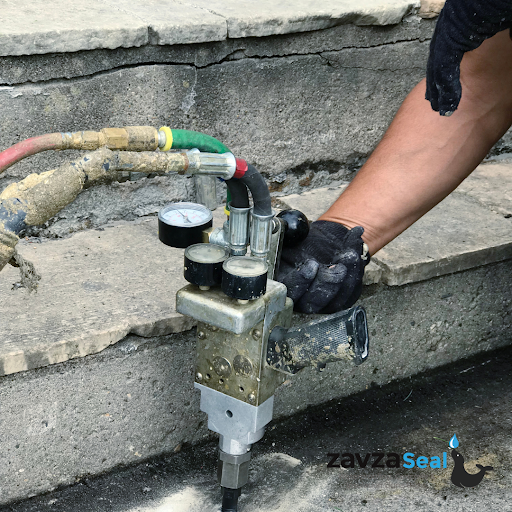
Is your driveway or sidewalk becoming an eyesore or even a hazard? You might need polyjacking. Whether you live in Long Island, Brooklyn, Queens, or the Bronx, uneven concrete slabs are more than just unattractive—they can be dangerous and costly if ignored. Fortunately, polyjacking (also known as polyurethane concrete lifting) offers a fast, clean, and effective solution.
In this blog, we’ll help you identify 5 key signs that your property could benefit from polyjacking, so you can protect your investment and restore curb appeal.
What Is Polyjacking?
Before diving into the signs, let’s understand what polyjacking is.
Polyjacking is a concrete lifting technique that involves injecting high-density polyurethane foam beneath sunken concrete. As the foam expands, it raises the slab back to its original position and fills any voids below. This method is quicker and cleaner than traditional mudjacking and is ideal for sidewalks, driveways, patios, and other flatwork in residential or commercial settings.
For property owners in Long Island and the NYC boroughs, where the freeze-thaw cycle and aging infrastructure often lead to uneven surfaces, polyjacking is becoming the go-to solution.
Sign #1: Visible Sinking or Uneven Concrete Slabs
One of the clearest indicators you need polyjacking is sunken or misaligned concrete slabs. If sections of your driveway or sidewalk are lower than the surrounding areas, that’s a red flag.
Common Causes:
- Soil erosion under the slab
- Poor initial compaction
- Water intrusion (common in Brooklyn and Queens due to aging plumbing and rainwater runoff)
Why It’s a Problem:
Sunken slabs create trip hazards, strain your vehicle’s suspension, and can lead to further cracking.
How Polyjacking Helps:
Polyurethane foam fills the voids beneath the slab and raises it back into alignment , often within hours—with minimal disruption to your property.
Local Tip: If you notice uneven walkways after winter in Long Island or the Bronx, it’s likely due to shifting soils. Don’t wait for it to get worse—schedule a polyjacking inspection.
Sign #2: Water Pooling Around or Under Concrete Surfaces
Do you see standing water on your driveway or sidewalk after it rains? Water should drain away from your property—not pool around it.
Why This Happens:
- Slab settlement changes the slope
- Gutters or downspouts drain too close to the concrete
- Ground beneath the concrete has washed out
Why It’s a Problem:
Pooling water leads to:
- Concrete deterioration
- Ice formation in colder months (especially risky in Bronx winters)
- Soil erosion, making the problem worse
How Polyjacking Helps:
By lifting the slab and restoring proper grading, polyjacking redirects water flow and helps prevent future drainage issues.
Sign #3: Cracks That Keep Spreading
Hairline cracks are normal in concrete—but if they widen or multiply, especially across sections, it may be a symptom of a deeper problem: foundation or slab settlement.
What to Watch For:
- Diagonal cracks running across slabs
- Cracks that “open up” after rain
- Cracks that shift when walked or driven over
Brooklyn and Queens Insight:
Many neighborhoods in these boroughs were built on fill or older infrastructure, leading to shifting ground. Add in New York’s freeze-thaw cycles, and cracks become inevitable unless addressed early.
How Polyjacking Helps:
Instead of replacing the concrete, polyjacking stabilizes the slab from beneath , halting crack growth and often closing them up in the process.
Sign #4: Doors or Garage Not Closing Properly
This might seem unrelated, but concrete settlement around your garage or entryways can disrupt how doors and gates align.
Signs of Trouble:
- Garage doors that no longer seal at the bottom
- Gates that scrape the concrete
- Sidewalks or driveways rising into or sinking away from the structure
This is especially common in older Long Island homes and attached garages in the Bronx.
How Polyjacking Helps:
By restoring the original elevation, polyjacking can improve door operation and even enhance the energy efficiency of your garage or home.
Sign #5: You’re Considering Costly Concrete Replacement
If you’re thinking about ripping out and replacing concrete , pause and consider polyjacking first.
Why Not Just Replace?
- Expensive: Full replacement in NYC costs $10–$20 per square foot or more.
- Time-consuming: Demolition and curing can take weeks.
- Disruptive: Heavy machinery, dust, and debris make it inconvenient.
Polyjacking Benefits:
- Lower cost than replacement
- Quick turnaround—often same-day
- Eco-friendly: Reuses existing concrete
- No mess: Small drill holes are patched and barely noticeable
If you live in Queens or Brooklyn , where space is tight and access is limited, polyjacking is often the only practical solution.
Bonus: Why Polyjacking Is Perfect for NYC & Long Island Homes
Concrete issues in New York’s boroughs are often caused by:
- Freeze-thaw cycles in winter
- Aging infrastructure and poor drainage
- Construction on filled land (common in Queens and Brooklyn)
- Salt damage from snow treatments
Polyjacking is ideal for:
- Driveways
- Sidewalks
- Garage floors
- Patios
- Pool decks
Why Choose Us for Polyjacking in Long Island, Brooklyn, Queens, and the Bronx?
As a trusted local contractor specializing in concrete leveling , our team understands the unique soil conditions and weather challenges across the New York metro area. We use the latest polyurethane injection technology to ensure a safe, long-lasting fix.
What You Get:
- Free on-site inspection
- Honest, transparent pricing
- Professional crews with years of experience
- Clean work—no major digging, no heavy equipment damaging your lawn
- Local service with fast response times
FAQs About Polyjacking in NYC
Q: How long does polyjacking last?
A: Polyjacking is a permanent solution when done correctly. The polyurethane foam doesn’t shrink, decay, or wash away.
Q: Is it safe for the environment?
A: Yes. The foam is inert, non-toxic, and eco-friendly. It doesn’t leach into soil or groundwater.
Q: Can you do polyjacking in winter?
A: Yes, polyjacking can be performed in most weather conditions—even in cold New York winters.
Q: How big are the holes you drill?
A: Just about the size of a coin—smaller than traditional mudjacking.
Schedule Your Free Polyjacking Inspection Today
If you’ve noticed any of the signs above in your Long Island, Brooklyn, Queens, or Bronx property, don’t wait for the problem to get worse—or more expensive. Polyjacking is the fast, clean, and cost-effective way to restore your concrete.
Call us today or fill out our online form to get started with a free, no-obligation inspection.