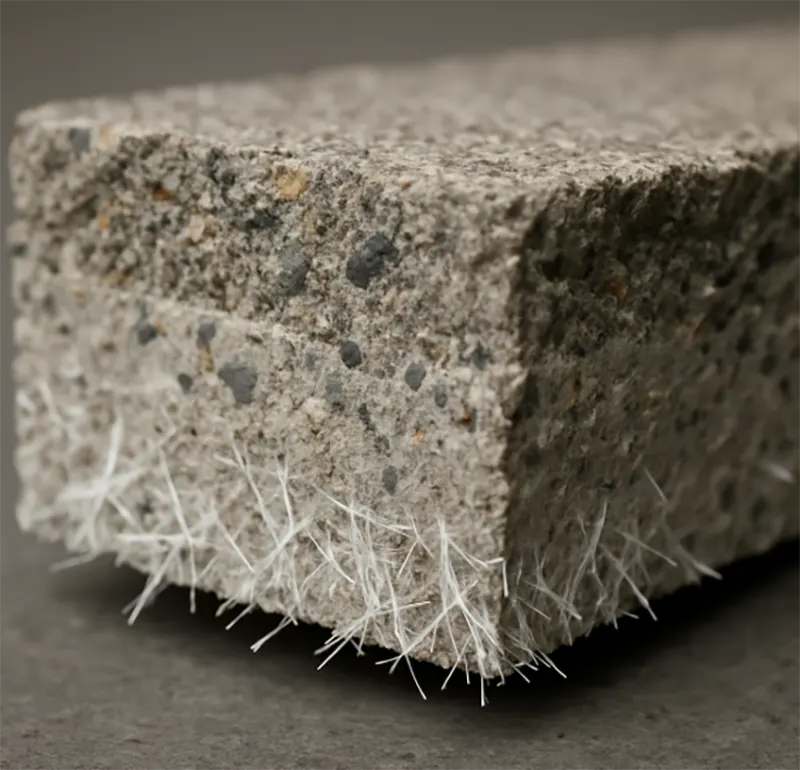
When it comes to innovative construction solutions, Glass Fiber Reinforced Concrete (GFRC) is revolutionizing the way we build. Whether you’re a contractor, property owner, or architect in Long Island, Brooklyn, Queens, or the Bronx, understanding the benefits and applications of GFRC can help you make smarter, more durable building choices. At the Mudjacking Contractor, we specialize in advanced concrete technologies and are proud to be a trusted name in structural and aesthetic concrete solutions throughout New York City.
In this blog, we’ll take a deep dive into glass fiber reinforced concrete—what it is, how it works, where it’s used, and why it might be the best choice for your next project.
What is Glass Fiber Reinforced Concrete?
Glass Fiber Reinforced Concrete (GFRC) is a high-performance concrete composite that incorporates alkali-resistant glass fibers as a reinforcement material. Unlike traditional reinforced concrete that relies on steel bars or mesh, GFRC uses fine glass fibers evenly distributed throughout the mixture.
The result? A lightweight, durable, and versatile concrete solution that boasts impressive tensile strength and superior crack resistance. GFRC is especially ideal for architectural and decorative elements, but its structural potential is increasingly being recognized across the construction industry.
Why Choose Glass Fiber Reinforced Concrete?
There are several compelling reasons to consider glass fiber reinforced concrete for your residential, commercial, or municipal project in the New York metro area:
1. Lightweight but Strong
GFRC is significantly lighter than traditional concrete, which makes transportation, handling, and installation much easier—especially in dense urban areas like Brooklyn, Queens, and The Bronx. Despite its lower weight, it offers excellent structural integrity.
2. Crack and Impact Resistance
Thanks to the continuous glass fibers throughout the matrix, GFRC has increased resistance to cracking, chipping, and surface degradation, which is crucial for longevity in the ever-changing New York weather conditions.
3. Flexibility in Design
GFRC can be molded into intricate shapes and textures, making it the material of choice for architectural facades, wall panels, custom trims, and decorative features. This makes it especially popular in Long Island estates and boutique commercial properties in Brooklyn and Queens.
4. Sustainability
GFRC uses less cement and water than traditional mixes and often incorporates recycled materials, reducing environmental impact. Its durability also means fewer repairs and replacements over time.
5. Corrosion-Free
Unlike steel reinforcement, glass fibers do not corrode. This means GFRC structures enjoy a longer service life, especially in areas prone to moisture or coastal exposure, such as Long Island.
Applications of Glass Fiber Reinforced Concrete
At the Mudjacking Contractor, we’ve seen firsthand how GFRC has enhanced both residential and commercial projects across NYC’s boroughs. Some of the most common applications include:
✔ Architectural Cladding
GFRC panels are widely used for exterior wall cladding due to their aesthetic appeal and structural reliability. Their lightweight nature also reduces the load on the building’s foundation.
✔ Facades and Wall Panels
Especially in Brooklyn and Queens, GFRC allows for custom designs that mimic natural stone, wood, or other high-end finishes—perfect for modern and historic buildings alike.
✔ Countertops and Sinks
The decorative possibilities of GFRC make it an excellent material for custom countertops, sinks, and even furniture in upscale residential and commercial interiors.
✔ Landscape Elements
Retaining walls, planters, and water features made from GFRC offer both form and function in landscaping projects throughout Long Island and The Bronx.
✔ Reinforced Concrete Pipes
GFRC is now being adapted for reinforced concrete pipes, which are used for stormwater management and sewer systems. These pipes are lighter, easier to install, and offer superior resistance to corrosion and cracking.
Comparing GFRC with Traditional Reinforced Concrete
Let’s break down how glass reinforced concrete stacks up against traditional reinforced concrete:
| Feature | Traditional Reinforced Concrete | Glass Fiber Reinforced Concrete |
| Weight | Heavy | Lightweight |
| Reinforcement | Steel rebar or mesh | Alkali-resistant glass fibers |
| Corrosion Risk | High in moist environments | Minimal |
| Flexibility in Design | Limited | High |
| Durability | Good, but steel may rust | Excellent |
| Cost | Lower upfront cost | Higher upfront, but long-term savings |
While GFRC may have a slightly higher initial cost, the long-term performance, reduced maintenance, and faster installation make it a cost-effective solution over time.
Why GFRC is Ideal for New York’s Unique Needs
Cities like Brooklyn, Queens, Long Island, and The Bronx present unique challenges—limited access, historic preservation, urban density, and harsh weather conditions. Here’s how glass fiber reinforced concrete rises to the occasion:
- Urban Infrastructure: Lightweight GFRC panels can be hoisted and installed without cranes, perfect for narrow NYC streets.
- Historic Restoration: With its moldability and texture-matching capabilities, GFRC is perfect for restoring architectural details in landmark buildings.
- Coastal Areas: In places like Long Island, the non-corrosive nature of GFRC makes it ideal for seaside applications.
- Speed of Construction: Faster installation times reduce disruptions—key for high-traffic urban zones in Queens and the Bronx.
How The Mudjacking Contractor Leads in GFRC Installation
We are proud to be industry leaders in innovative concrete solutions. Our team combines technical expertise, hands-on experience, and a commitment to quality that sets us apart across New York City’s five boroughs.
Here’s what makes us different:
- ✔ In-depth GFRC Consultation and Design Services
- ✔ Custom GFRC fabrication and installation
- ✔ Experience working on both modern and historic properties
- ✔ Dedicated to safety, code compliance, and aesthetic excellence
- ✔ Serving residential, commercial, and municipal clients
Whether you’re planning a façade update in Brooklyn, a landscape project in Long Island, or a municipal infrastructure upgrade in The Bronx, The Mudjacking Contractor is the name to trust.
Reinforced Concrete Pipes: A New Frontier
One of the exciting developments in glass fiber reinforced concrete is its integration into reinforced concrete pipes. Traditionally made using steel-reinforced concrete, pipes for storm drains and sewers are now being manufactured using glass reinforced concrete for added durability and reduced weight.
These GFRC pipes are:
- Easier to transport and install
- Highly resistant to chemical attacks
- Ideal for aging infrastructure upgrades in urban areas
As infrastructure in Queens and the Bronx continues to be modernized, reinforced concrete pipes made from GFRC will likely become the standard.
Final Thoughts
Glass fiber reinforced concrete isn’t just a buzzword—it’s the future of smart, sustainable, and stunning construction. From artistic architectural elements to resilient infrastructure components, GFRC offers unmatched value and versatility.
If you’re looking for a trusted partner in Long Island, Brooklyn, Queens, or the Bronx, the Mudjacking Contractor is here to help you explore how glass reinforced concrete can elevate your next project. Contact us today for a free consultation and see how innovation meets expertise.
Let’s Build Stronger, Smarter, and Longer-Lasting Together.
Frequently Asked Questions
1. What is glass fiber reinforced concrete (GFRC)?
GFRC is a type of concrete that incorporates alkali-resistant glass fibers instead of traditional steel reinforcements. This results in a lightweight, strong, and durable material suitable for architectural and structural applications.
2. How is GFRC different from traditional reinforced concrete?
Unlike traditional reinforced concrete, which uses steel rebar, glass reinforced concrete uses glass fibers to provide tensile strength. This makes GFRC lighter, more resistant to cracking and corrosion, and easier to shape into complex forms.
3. What are the benefits of using glass fiber reinforced concrete in New York’s climate?
GFRC is highly durable and resists moisture, freeze-thaw cycles, and salt corrosion, making it ideal for the varied climate of Long Island, Brooklyn, Queens, and the Bronx.
4. Is glass fiber reinforced concrete strong enough for structural applications?
Yes, GFRC offers excellent tensile and flexural strength. While commonly used in architectural panels, it’s increasingly being adapted for structural uses, especially in lightweight reinforced concrete pipes and facade systems.
5. Can GFRC be used for custom architectural designs?
Absolutely. GFRC is extremely moldable, making it ideal for custom facades, trims, columns, and decorative panels. Its flexibility in shape and texture makes it a favorite among architects.
6. How long does GFRC last compared to traditional concrete?
GFRC can last decades without significant wear, especially since it doesn’t rust like steel-reinforced concrete. This makes it a cost-effective long-term investment for both residential and commercial buildings.
7. What maintenance does GFRC require?
Minimal. GFRC is resistant to cracking, staining, and weather damage. Occasional cleaning and resealing, depending on the application, are usually all that’s needed to keep it in top shape.
8. Is GFRC environmentally friendly?
Yes. GFRC uses less cement and water and often incorporates recycled materials. Its long lifespan also reduces the need for repairs and replacements, lowering its overall environmental impact.
9. Can GFRC be used in infrastructure like sewer or drainage systems?
Yes, GFRC is being used to manufacture reinforced concrete pipes due to its light weight, high durability, and corrosion resistance, making it ideal for stormwater and sewage systems in urban areas like Queens and The Bronx.
10. Who installs glass fiber reinforced concrete in Long Island, Brooklyn, Queens, and The Bronx?
Zavza Seal LLC is a leading expert in glass fiber reinforced concrete solutions across NYC’s boroughs. We specialize in custom installations, repairs, and consultations for residential, commercial, and municipal clients.