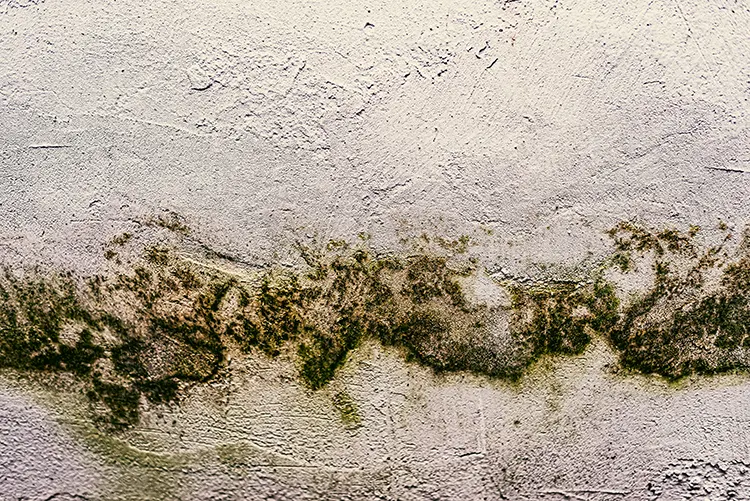
Water damage is every homeowner’s worst nightmare—and for good reason. It ruins foundations, breeds toxic mold, and silently destroys the value of your home. In places like Queens, Brooklyn, and across Long Island and the Bronx, where aging infrastructure and shifting soils are common, the risk is even higher.
What’s often overlooked is one silent culprit behind basement leaks: uneven or sunken concrete slabs around your home. Whether it’s a sloping driveway, a tilted patio, or a sinking sidewalk, these seemingly minor shifts in concrete can drastically affect how water drains—and where it ends up.
The good news? Polyjacking is a powerful, non-invasive solution that not only restores concrete surfaces but also protects your basement from costly water damage. In this blog, we’ll explore exactly how.
Why NYC Homes Are Prone to Water Intrusion
Let’s face it—homes in Brooklyn and Queens aren’t getting any younger. Many were built 50, 70, or even 100 years ago. Over time, the soil beneath and around these properties settles, creating voids and imbalances beneath your concrete walkways, steps, driveways, and foundation slabs.
Add in:
- Frequent rainstorms
- Freeze-thaw cycles
- Urban runoff
- Poor original grading
And you’ve got a recipe for disaster.
Uneven concrete = improper drainage
When concrete settles unevenly, it redirects water toward your foundation instead of away from it. And once water starts pooling against your home’s exterior walls or seeping down through cracks, it’s only a matter of time before it infiltrates your basement.
The Domino Effect of Sunken Concrete
Here’s how a small tilt in your slab can spiral into a basement emergency:
- Concrete slab shifts and settles unevenly
- Water flows toward foundation instead of away
- Soil near the foundation becomes saturated
- Hydrostatic pressure builds up
- Water seeps into basement walls, floor cracks, or window wells
- Mold, mildew, structural rot, and foundation damage follow
This is not hypothetical—it’s something Zavza Seal’s experts see daily throughout Queens and Brooklyn.
Real Scenarios from Queens & Brooklyn
- Flatbush, Brooklyn: A client noticed moisture on their basement walls. The culprit? A sunken walkway against the side of the house. Every rainstorm funneled water straight to the foundation.
- Forest Hills, Queens: After heavy rain, water pooled outside a basement window well. The patio had settled 2 inches, creating a slope that trapped water. Basement flooding followed shortly after.
- Long Island City: A homeowner faced recurring mold in the basement laundry room. Diagnosis? Sunken garage slab misdirecting stormwater runoff toward the home.
Enter Polyjacking: The Basement’s Best Defense
So, what is polyjacking, and why is it the go-to solution?
Polyjacking—also called polyleveling—is a method of lifting and stabilizing sunken concrete by injecting high-density polyurethane foam underneath the slab. The foam expands, fills voids, and gently raises the concrete back to its intended level.
Here’s how it helps prevent water damage:
✔ Restores Proper Drainage Slope
By correcting the pitch of your concrete surfaces, polyjacking reroutes water away from your home. This helps eliminate the hydrostatic pressure that causes leaks and basement seepage.
✔ Fills Voids That Trap Moisture
Beneath sunken slabs, air pockets and voids trap water and keep the soil wet. Polyjacking fills those gaps, stopping moisture accumulation before it starts.
✔ Strengthens Soil & Prevents Future Settling
The foam used in polyjacking binds and compacts loose soil, reducing the risk of future movement that could compromise drainage.
✔ Seals the Underside of Slabs
Polyurethane foam is waterproof and adds a moisture-resistant barrier beneath the concrete, protecting the slab and your foundation over time.
The Hidden Dangers of Ignoring Uneven Concrete
If you’re waiting for visible basement flooding to take action—you’re already too late.
Here’s what can go wrong if sunken slabs near your home go untreated:
🧟 Mold & Mildew Infestation
Moisture entering your basement—even in small amounts—creates the ideal environment for toxic black mold, which can lead to serious respiratory problems.
💰 Foundation Repair Costs
Basement water damage often leads to cracks in the foundation, which can cost $10,000 or more to fix. Compare that to a $1,500–$3,000 polyjacking job, and the choice is clear.
⚠ Health & Safety Hazards
Damp basements increase radon risk, attract pests, and jeopardize structural beams, walls, and insulation.
🏠 Declining Home Value
No buyer wants a home with basement moisture problems. Real estate inspections in NYC often red-flag drainage and foundation issues, delaying or killing sales.
Why Polyjacking Beats Concrete Replacement for Drainage Issues
You might think replacing the slab is the answer—but in most cases, polyjacking is far better for solving water intrusion.
| Factor | Polyjacking | Concrete Replacement |
| Time to complete | 1–2 hours | 3–5 days |
| Curing time | 15–30 minutes | 2–3 days |
| Cost | $1,500–$3,000 | $4,000–$8,000 |
| Disruption | Minimal | Major |
| Drainage correction | Immediate & precise | Dependent on soil prep |
Plus, Polyjacking can reach areas under porches, steps, and narrow walkways that are nearly impossible to replace without full demolition.
Is Your Property at Risk?
You might not see water pouring into your basement—yet—but the signs are usually there:
- Water stains on basement walls or floor
- Mold or mildew smell in basement
- Musty or damp carpet
- Uneven or cracked sidewalks near foundation
- Pooled water after rain near steps, patio, or garage
- Basement window wells filling with water
- Visible settling of exterior concrete
Don’t wait until the next thunderstorm makes the problem worse.
Why Zavza Seal Is the Trusted Polyjacking Partner in NYC
At Zavza Seal, we specialize in concrete lifting, waterproofing, and structural protection—not just for looks, but for your long-term peace of mind.
Here’s what sets us apart:
- 🏆 Certified experts in polyjacking and waterproofing
- 🛠 Local crews familiar with NYC soil and infrastructure
- 🧰 Integrated services: slab lifting + basement sealing + drainage
- 💬 Transparent pricing and honest assessments
- 📍 Proudly serving Long Island, Brooklyn, Queens, and the Bronx
FAQs About Polyjacking & Basement Waterproofing
❓ How long does polyjacking last?
Polyjacking typically lasts 10–20 years or more. The polyurethane foam doesn’t break down, rot, or absorb water.
❓ Can polyjacking stop active basement leaks?
It can help significantly—but for active leaks, we may combine it with interior or exterior waterproofing solutions for best results.
❓ Is polyjacking safe for old buildings?
Yes! It’s non-invasive and perfect for historic homes and tight-access properties common in Brooklyn and Queens.
❓ How much does it cost?
Average pricing is $1,500–$3,000 depending on the area and slab condition. We offer free inspections with no obligation.
Get a Free Inspection Before the Next Rainstorm
Water doesn’t wait—and neither should you. If you’re in Queens, Brooklyn, Long Island, or the Bronx, Zavza Seal can help you stop basement water damage before it starts.
Don’t let sunken concrete ruin your home’s safety and value.
📞 Call Zavza Seal at (347) 284-0280
🌐 Schedule your free polyjacking quote
📍 Serving New York homeowners with pride and precision.