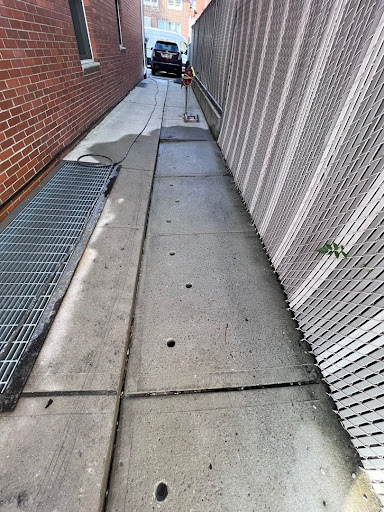
When it comes to concrete repair in areas like Long Island, Brooklyn, Queens, and the Bronx, mudjacking (also known as slab jacking) is a widely trusted method for lifting sunken or uneven concrete slabs. It’s cost-effective, non-invasive, and environmentally friendly. However, like any repair method, mudjacking has limitations.
This blog will explore where mudjacking does not work, so you can make informed decisions about your property’s concrete repair needs. If you’re a homeowner or property manager in the New York City boroughs or surrounding areas, this information is essential.
What is Mudjacking?
Before diving into where mudjacking fails, let’s review what it is.
Mudjacking involves pumping a slurry mixture (usually made of water, soil, sand, and cement) beneath a sunken concrete slab to lift it back into place. It’s typically used to level:
- Sidewalks
- Driveways
- Patios
- Garage floors
- Pool decks
- Basement slabs
This technique can save thousands of dollars compared to complete concrete replacement, but it isn’t a one-size-fits-all solution.
Where Does Mudjacking Not Work?
Let’s explore the scenarios where mudjacking is not recommended or entirely ineffective.
1. Concrete Slabs with Severe Cracking or Deterioration
If a slab is extensively cracked, crumbling, or has major structural failure, mudjacking is not a viable option.
Why it Doesn’t Work:
- Lifting a fractured slab will not restore its structural integrity.
- The slab may break apart further under pressure.
- Aesthetics won’t improve since cracks remain visible.
Recommended Alternative:
- Concrete replacement is often the best route in this case.
- In some cases, crack stitching or epoxy injection might be used if the damage is moderate.
2. Floating Slabs or Slabs Without Adequate Load Support
Floating slabs, like those not properly anchored to a subbase or foundation, aren’t ideal candidates for mudjacking
Why it Doesn’t Work:
- These slabs move independently.
- The injected slurry might not provide enough anchoring.
- The lift might be uneven or short-lived.
Recommended Alternative:
- Structural reinforcement may be required before lifting.
- Polyurethane foam injection may work better due to its lighter weight and expansive properties.
3. Foundation Walls or Load-Bearing Structures
Many clients in Brooklyn or the Bronx ask: Can mudjacking be used to lift my foundation wall?Unfortunately, the answer is no.
Why it Doesn’t Work:
- Mudjacking is designed for flatwork (horizontal surfaces).
- Foundation walls are load-bearing and require deep structural repair, such as helical piers or steel push piers.
Recommended Alternative:
- Contact a foundation repair specialist for evaluation and installation of structural supports.
4. Very Lightweight or Thin Slabs
Thin slabs, such as those found on patios or certain sidewalks in Queens or Long Island, may not hold up well under the pressure of mudjacking.
Why it Doesn’t Work:
- High-pressure grout injection can cause cracking or breakage.
- The material may not distribute evenly beneath the surface.
Recommended Alternative:
- Polyurethane injection (foam jacking) can be used due to its low-pressure application.
- In some cases, slab removal and re-pour may be more cost-effective.
5. Areas with Poor Soil Stability or Excess Moisture
Mudjacking relies on compacted soil to hold the slab in place once lifted. In parts ofQueens, Brooklyn, and coastal Long Island, soil conditions can vary widely.
Why it Doesn’t Work:
- Expansive or clay-rich soils shift too much with moisture changes.
- High groundwater levels can erode the slurry over time.
- Uneven lifting and future sinking are common in these conditions.
Recommended Alternative:
- Soil stabilization or foam jacking with waterproof properties.
- Drainage correction may be required prior to any lifting work.
6. High-Traffic Commercial or Industrial Slabs
Heavily used commercial areas like loading docks or warehouse floors in the Bronx are not ideal for mudjacking.
Why it Doesn’t Work:
- The slurry takes longer to cure (up to 24-48 hours).
- The weight and vibration from machinery or trucks can compromise the lift.
- It may not hold up to constant wear and tear.
Recommended Alternative:
- Use high-density polyurethane foam with faster curing time.
- Consider full-depth concrete replacement for severely damaged areas.
7. Extremely Small or Confined Spaces
In densely populated neighborhoods of Brooklyn or Queens, tight access to certain properties may pose challenges.
Why it Doesn’t Work:
- Equipment used in mudjacking is often bulky and requires hose access.
- Lack of working space limits the ability to drill and pump effectively.
Recommended Alternative:
- Foam injection, which requires less space and smaller drilling holes.
- Manual slab removal and pour, depending on site logistics.
How Do You Know If Mudjacking Will Work on Your Property?
The key to making the right decision is a professional evaluation. At The Mudjacking Contractor , we offer thorough inspections across Long Island, Brooklyn, Queens, and the Bronx.
We evaluate:
- The condition of the slab
- Soil conditions
- Load-bearing requirements
- Water table levels
- Long-term performance expectations
Our team provides transparent, no-obligation assessments and recommends the most suitable repair technique for your needs.
Mudjacking vs. Foam Jacking: Know the Difference
For some scenarios where mudjacking doesn’t work, polyurethane foam injection (aka foam jacking) may be a suitable alternative.
| Feature | Mudjacking | Foam Jacking |
| Material | Soil/cement slurry | Polyurethane foam |
| Hole Size | 1–2 inches | ⅝–¾ inch |
| Cure Time | 24–48 hours | 15–30 minutes |
| Weight | Heavier | Lightweight |
| Soil Suitability | Best for stable soils | Better for unstable or wet soils |
If you’re unsure which method fits your situation, our experts can help guide you to the best option.
Final Thoughts: Mudjacking is Great—But Not for Everything
Mudjacking is a time-tested solution that works wonderfully for many types of concrete leveling, especially in residential driveways, sidewalks, and patios. But it’s not ideal for every situation. Knowing where mudjacking doesn’t work can save you money, time, and stress.
If your property is in Long Island, Brooklyn, Queens, or the Bronx, and you’re unsure whether mudjacking is right for you, give us a call. At The Mudjacking Contractor, we provide honest assessments and reliable results.
Need a professional opinion?
Contact The Mudjacking Contractor today for a free estimate and expert guidance on your concrete repair project!
📞 Call us now or 📩 schedule an appointment online!