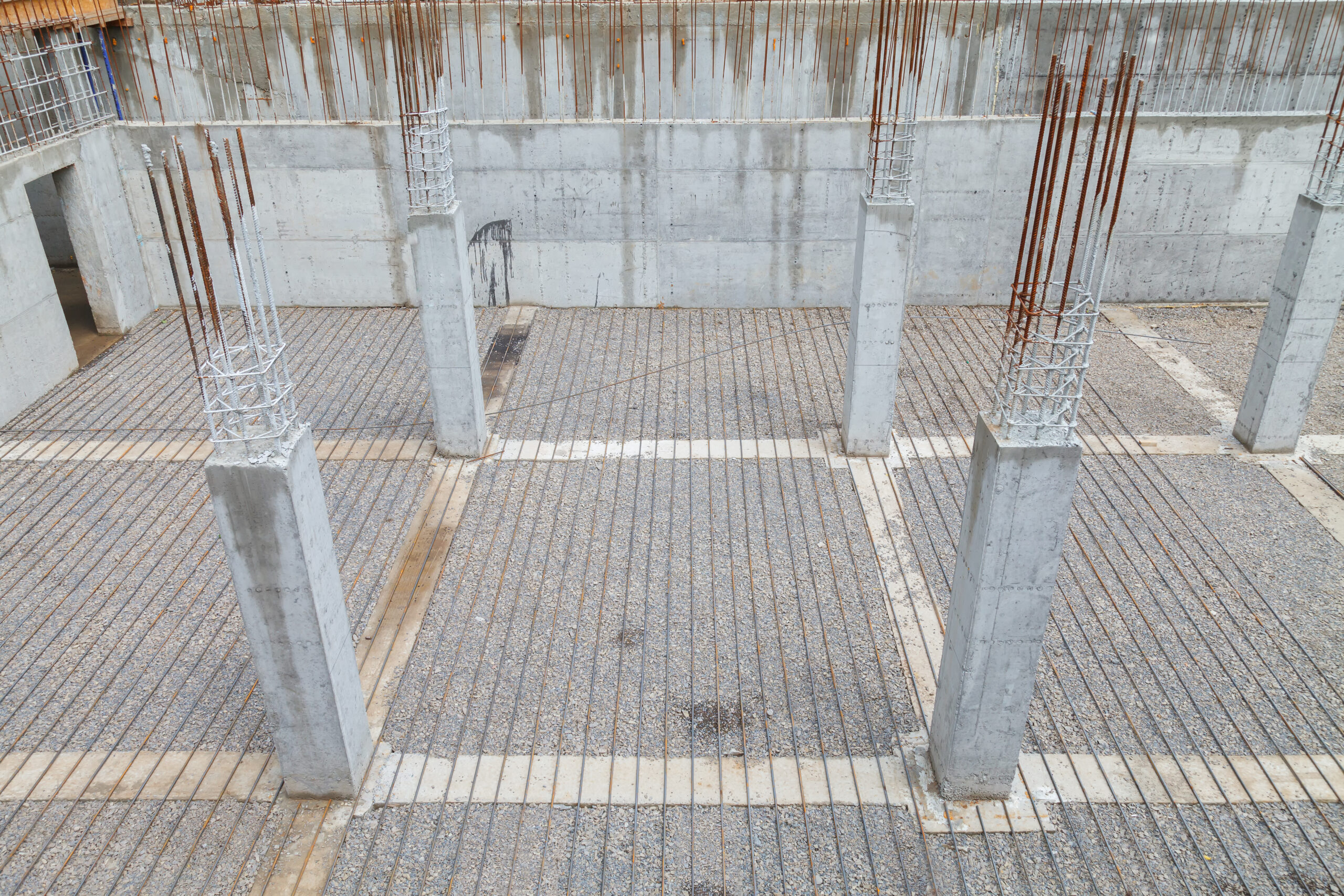
Reinforced Cement Concrete (RCC) is one of the most vital building materials used in modern construction. If you’re a homeowner, property manager, or commercial developer in Long Island, Brooklyn, Queens, or the Bronx, understanding what reinforced cement concrete is—and how it benefits your property—is crucial for making informed decisions about structural repairs, foundations, and slab reinforcements.
In this article, we’ll explore:
- What is reinforced cement concrete?
- Why it matters in NYC construction
- Its role in concrete repair and slab lifting
- When RCC is used instead of traditional concrete
Let’s break down everything you need to know about RCC and how The Mudjacking Contractor integrates it into advanced concrete solutions across the greater New York area.
What is Reinforced Cement Concrete?
Reinforced Cement Concrete, commonly abbreviated as RCC, is a composite material in which cement concrete is strengthened with steel reinforcement bars (rebars), meshes, or fibers. These steel elements improve the concrete’s tensile strength, making it ideal for load-bearing applications.
Key Components of RCC:
- Cement – The binding agent
- Fine aggregate (sand) – Fills the gaps and adds strength
- Coarse aggregate (gravel or crushed stone) – Provides structure
- Water – Activates the cement
- Steel reinforcement – Handles tensile stresses
While regular concrete is strong in compression, it’s weak under tension. By integrating steel—which is strong in tension—reinforced cement concrete becomes a balanced material that can handle both forces.
Why is RCC Important in Construction Across Long Island, Brooklyn, Queens, and the Bronx?
In urban and coastal regions like Brooklyn and Long Island, buildings are exposed to a variety of stressors:
- Soil shifting and settlement
- Water intrusion
- Freeze-thaw cycles
- Heavy traffic loads
- Vibrations from nearby subways or construction
These conditions demand a robust and resilient material, which is where reinforced cement concreteplays a critical role. RCC allows for:
- Longer spans in buildings
- Thinner slabs and walls
- Improved durability
- Greater resistance to structural movement
Whether it’s a multi-story brownstone in Brooklyn or a commercial foundation in Queens, RCC delivers strength where plain concrete falls short.
Applications of RCC in Residential and Commercial Construction
In our work at The Mudjacking Contractor, we often encounter structures that rely on RCC in various applications. These include:
1. Slabs and Floors
Most residential and commercial slabs, especially basement floors and garages, are constructed using RCC to prevent cracking and to handle load distribution effectively.
2. Beams and Columns
These vertical and horizontal supports carry the weight of entire buildings and require reinforced cement concrete for structural integrity.
3. Foundations
Given the diverse soil conditions across Queens, Long Island, and the Bronx, foundations are frequently built using RCC to resist movement, water pressure, and corrosion.
4. Retaining Walls
For properties with uneven landscapes or high water tables, RCC retaining walls prevent soil collapse and help manage drainage systems effectively.
5. Roads and Pavements
Heavily trafficked concrete roads or parking slabs benefit from the strength of RCC to reduce maintenance needs and extend lifespan.
RCC and Mudjacking: How They Intersect
You may be wondering: “If RCC is so strong, why does it need lifting or repair?”
The answer lies in the soil beneath the concrete, not just the concrete itself. Even the strongest RCC slabs can settle or sink due to:
- Soil erosion
- Underground water leaks
- Poor compaction during original construction
- Tree root intrusion
- Freeze-thaw soil movement in winter months
When these issues arise, mudjacking can be used to lift and realign the reinforced concrete slabs, restoring them to a safe and level condition—without full replacement.
At The Mudjacking Contractor, we specialize in lifting reinforced concrete driveways, garage floors, patios, and walkways, especially in:
- Residential neighborhoods in Long Island
- Historic homes in Brooklyn
- Commercial slabs in Queens
- City sidewalks in the Bronx
We understand how to work with RCC structures without damaging the steel reinforcement inside, making us the trusted choice for property owners throughout New York City.
Benefits of Reinforced Cement Concrete in Urban Environments
✅ Durability
RCC is resistant to weather, fire, rust (with proper treatment), and pests, making it ideal for long-term installations.
✅ Load-Bearing Capacity
The combination of steel and concrete ensures RCC can handle high loads, even in tight urban spaces where vertical construction is common.
✅ Low Maintenance
Once installed properly, RCC requires minimal maintenance, especially when supported by solid soil conditions.
✅ Custom Shapes and Forms
RCC can be molded into almost any shape or thickness, making it ideal for custom architectural designs common in NYC renovations.
Challenges with Reinforced Cement Concrete
While RCC is highly versatile, it does come with certain considerations—especially in relation to mudjacking and repair services.
❌ Heavy Weight
The steel adds substantial weight, making slab lifting more complex and requiring specialized slurry mixtures during mudjacking.
❌ Corrosion Risk
In areas with high moisture content (like parts of Long Island or coastal Queens), steel reinforcement can rust if not properly treated, leading to spalling and concrete failure.
❌ Cracking from Improper Pouring
If steel placement or curing is done poorly, cracks may form, reducing the effectiveness of the reinforcement.
As specialists inconcrete slab repair, we assess these risks and determine the best restoration technique—whether through mudjacking, polyurethane injection, or full replacement.
How RCC Compares to Plain Concrete
| Feature | RCC (Reinforced Cement Concrete) | Plain Concrete |
| Tensile Strength | High (due to steel reinforcement) | Low |
| Flexibility | Moderate | Very low |
| Cost | Slightly higher | Lower |
| Lifespan | 50–100 years | 20–30 years |
| Suitable for Heavy Loads | Yes | Limited |
In short, reinforced cement concrete is an investment in strength and longevity —a must for the dynamic and demanding building environment of New York City.
What is Reinforced Cement Concrete? – FAQs
🔹 What is reinforced cement concrete used for?
RCC is used in structures where strength and load-bearing capacity are critical, such as slabs, beams, columns, and foundations.
🔹 Can RCC slabs be mudjacked?
Yes, RCC slabs can be lifted using mudjacking or foam injection —as long as the steel reinforcement is intact and the slab isn’t severely broken.
🔹 Is RCC better than traditional concrete?
Yes. RCC outperforms traditional concrete in structural applications, offering better durability, flexibility, and resistance to weather and wear.
🔹 Does RCC require special maintenance?
While it’s low-maintenance, RCC benefits from routine inspections, especially in high-moisture areas, to prevent steel corrosion or cracking.
How The Mudjacking Contractor Works with RCC in NYC
At The Mudjacking Contractor, we frequently encounter RCC in sidewalks, driveways, patios, and foundation slabs across Brooklyn, Queens, the Bronx, and Long Island.
Our experienced crew:
- Evaluates the condition of the RCC slab
- Identifies anystructural compromise or cracking
- Uses minimally invasive methods to lift or stabilize the concrete
- Recommends the best long-term solution, whether it’s mudjacking, foam injection, or full slab replacement
We ensure the concrete repair retains the original strength of the RCC structure— and helps it last for decades to come.
Conclusion: RCC is the Backbone of Modern Concrete Construction
Whether you’re restoring a sinking patio in Long Island, fixing an uneven sidewalk in Queens, or leveling a garage floor in Brooklyn, understanding the role of reinforced cement concrete helps you appreciate the value of professional concrete services.
At The Mudjacking Contractor, we’ve worked with countless RCC structures and understand how to repair them without compromising safety or quality.
Need a Concrete Assessment?
If you suspect concrete settling, cracking, or movement in your RCC slab, contact The Mudjacking Contractor today. We proudly serve Long Island, Brooklyn, Queens, and the Bronx with:
- Expert inspections
- Affordable concrete lifting
- Long-lasting structural solutions
📞 Call now or 💬 book your free estimate online to get started!